

Ideas
Check out some of the insights we’ve gained through working with clients like you. Our blog posts, white papers, and webinars will give you a window into what ThoughtForm has to offer.

Pursue early buy-in for strategic planning
To do strategic planning right, you must listen to the voices of all key stakeholder groups, even—and perhaps especially—if you can’t ensure their opinions will be followed. We recommend taking these five strategic planning actions to increase buy-in and the likelihood of the plan’s success.
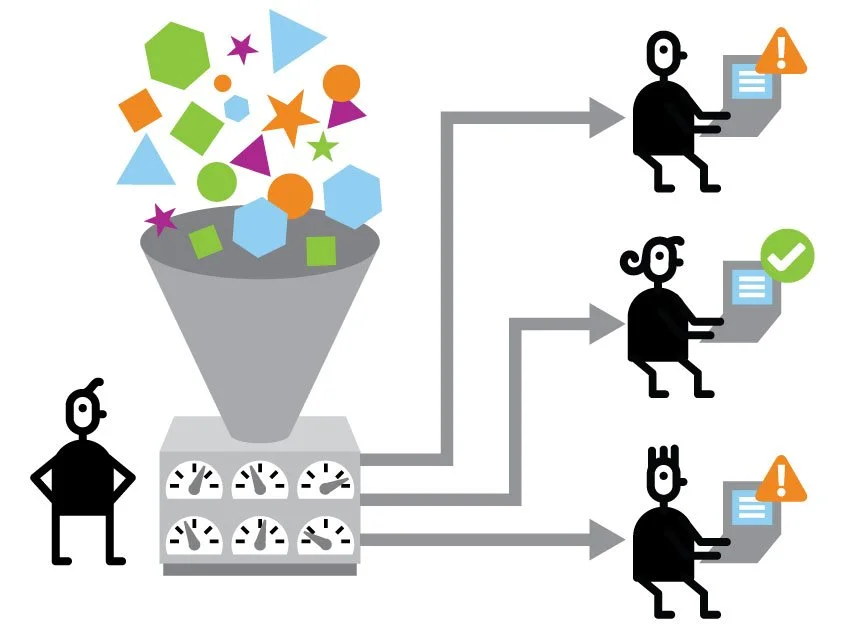
Digital transformation strategy: action to insight
Defining your digital transformation strategy has many challenges: technical challenges, process challenges, and even cultural challenges. One of the biggest challenges is also one of its biggest promises—communicating the insights generated by all that data. How do you get the right information in the right place and time to the right people. All in a format they can actually use? In other words, how do you turn insight to action?

Strategy visualization: The common pitfalls
Communicating your new, breakthrough strategy can be a more delicate process than drafting it in the first place. One of the best tools to employ at this stage is using visuals in presentations to secure buy-in and understanding.
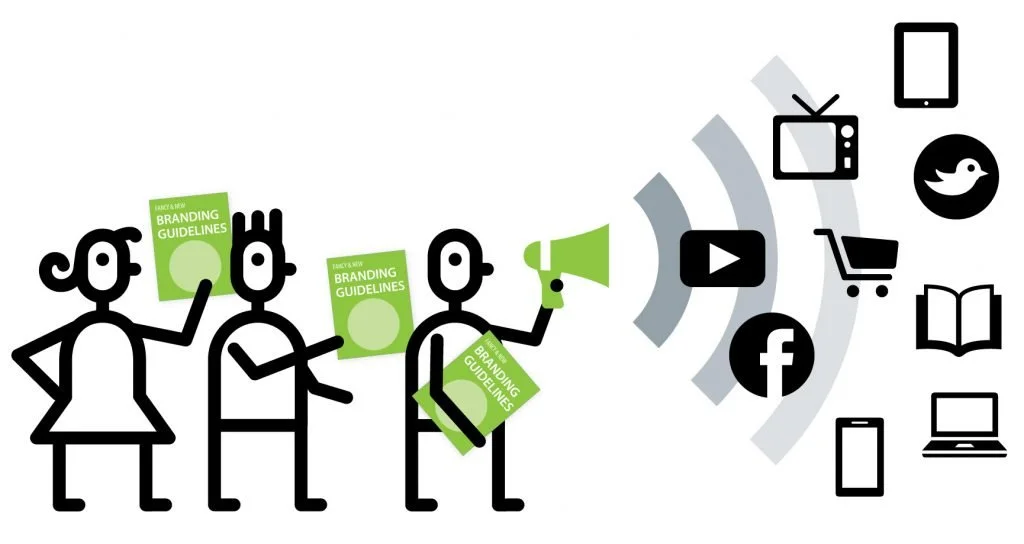
Shaping perceptions and sharing brand value
Determining what growth drivers are is paramount to uncovering what motivates your customers. So, what do you do? Implement a cross-silo internal alignment that is clear, precise, and compelling. Distill your brand’s value to its essence, give it a face and voice, and develop a rigorous program to express it. We build brands with a systems approach. That means that every part of your brand works together in a symbolic web of touchpoints.
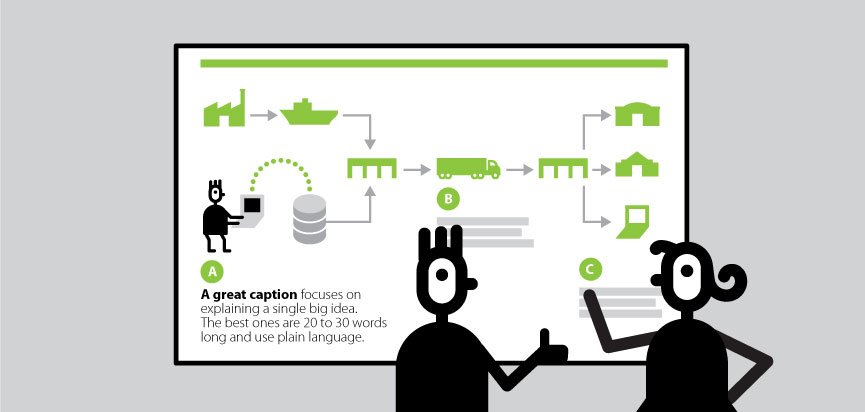
Breaking down the barriers to change
Emotions aren’t the only barrier to change. Another barrier for audiences can be comprehension. People can’t do what they can’t understand. If the audience is confused about how a new process works, the change will never stick. As we’ve written before, visual communication is important to change. And a well planned change communication plan is vital to success.
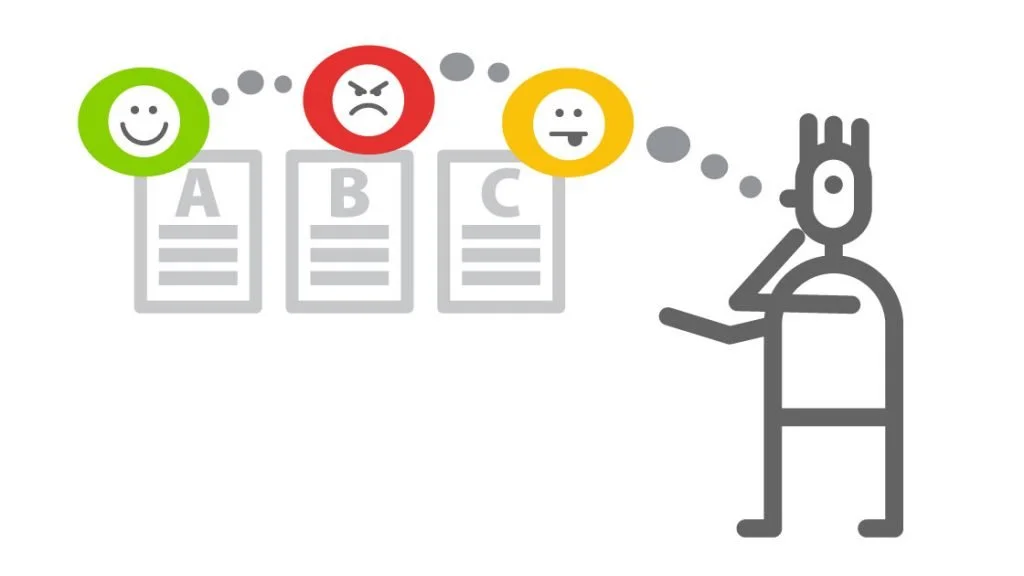
Overcoming emotions to help consumers make the best decisions
If emotions are the foundation for humans’ decision-making, how do you get consumers to make better decisions—decisions that align with goals that they’ve defined for themselves? You have to either appeal to the emotional part of the brain to steer them in the right direction, or you have to somehow overcome it.
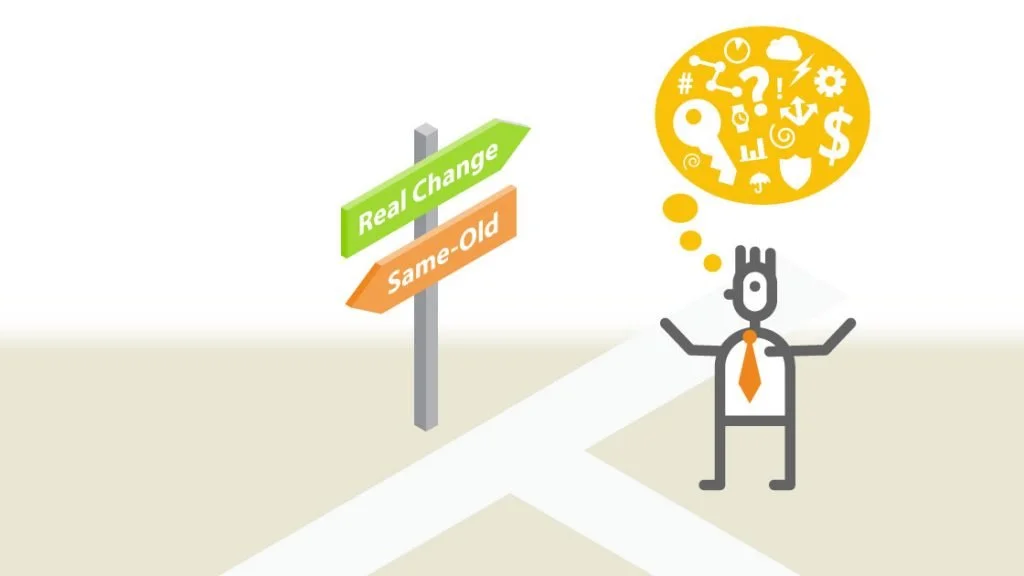
Communication for change management
Transforming an individual’s behavior—or the behavior of an organization—isn’t easy. It requires an articulated plan of ideas and strategy. Making meaningful change in your organization means winning the hearts and minds of your employees. How? By telling them a story that resonates with them. That story should connect deeply enough to move your audience into action. This can be accomplished in two ways.
Why is jargon bad for business?
Jargon can serve an important and necessary function in language. Jargon and its use helps to define groups, either by profession (legal, medical, or technology) or by mind-set (a Silicon Valley start-up versus a blue-chip investor). These groups use language to define themselves and help them to recognize their own. Besides being a part of a group’s brand, jargon is also often a useful style of shorthand that allows experts in a narrow field to converse quickly. So why is jargon bad for business?

Journey maps for organizational learning
When developing a learning program, training teams often spend their time focused on the “Who?” and “What?”. However, training teams typically don’t put as much energy into nailing down the “How?”, “When?”, and “Where?” of their programs. Incorporating user experience design for training programs might see you take a slightly different route: journey mapping.