

Ideas
Check out some of the insights we’ve gained through working with clients like you. Our blog posts, white papers, and webinars will give you a window into what ThoughtForm has to offer.
Breaking down the barriers to change
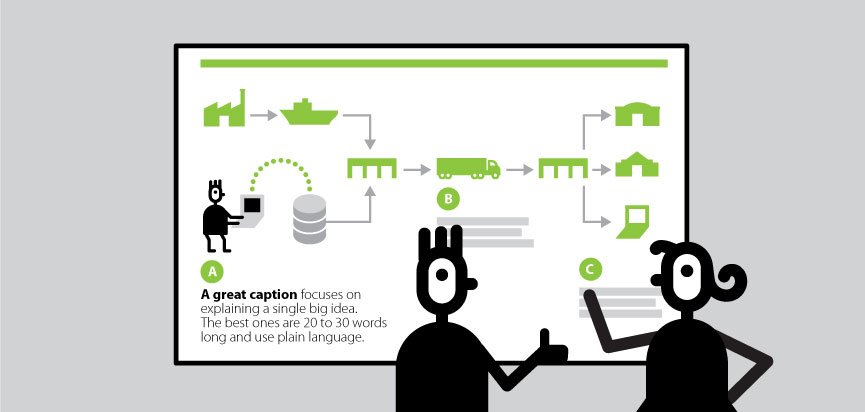
Emotions aren’t the only barrier to change. Another barrier for audiences can be comprehension. People can’t do what they can’t understand. If the audience is confused about how a new process works, the change will never stick. As we’ve written before, visual communication is important to change. And a well planned change communication plan is vital to success.
Overcoming emotions to help consumers make the best decisions
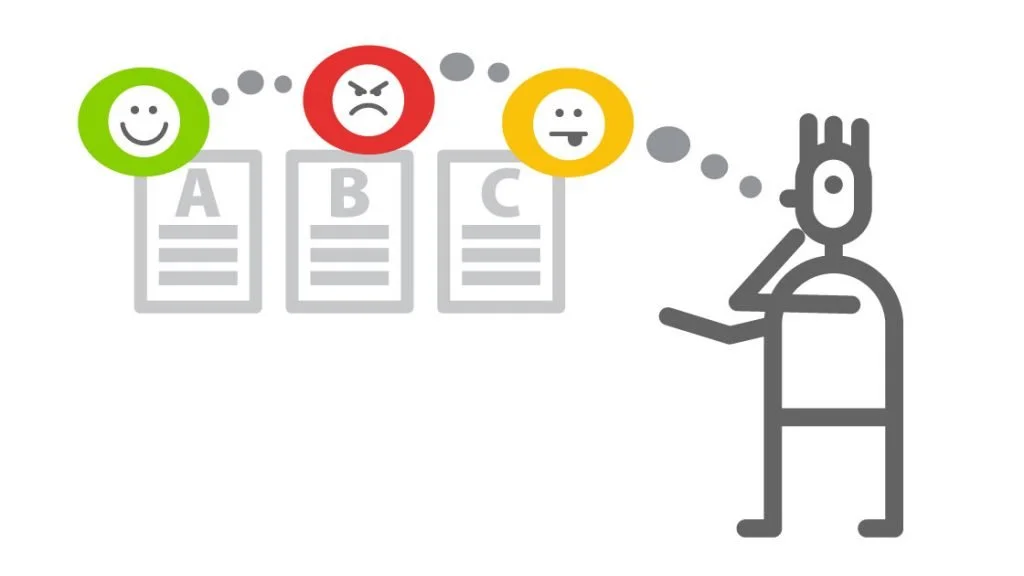
If emotions are the foundation for humans’ decision-making, how do you get consumers to make better decisions—decisions that align with goals that they’ve defined for themselves? You have to either appeal to the emotional part of the brain to steer them in the right direction, or you have to somehow overcome it.
Communication for change management
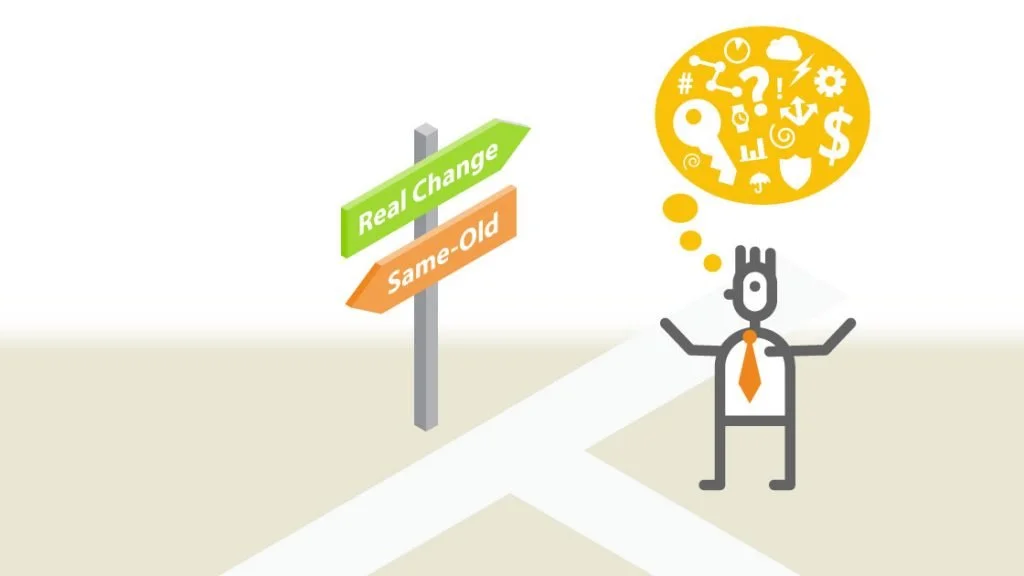
Transforming an individual’s behavior—or the behavior of an organization—isn’t easy. It requires an articulated plan of ideas and strategy. Making meaningful change in your organization means winning the hearts and minds of your employees. How? By telling them a story that resonates with them. That story should connect deeply enough to move your audience into action. This can be accomplished in two ways.
Why is jargon bad for business?
Jargon can serve an important and necessary function in language. Jargon and its use helps to define groups, either by profession (legal, medical, or technology) or by mind-set (a Silicon Valley start-up versus a blue-chip investor). These groups use language to define themselves and help them to recognize their own. Besides being a part of a group’s brand, jargon is also often a useful style of shorthand that allows experts in a narrow field to converse quickly. So why is jargon bad for business?
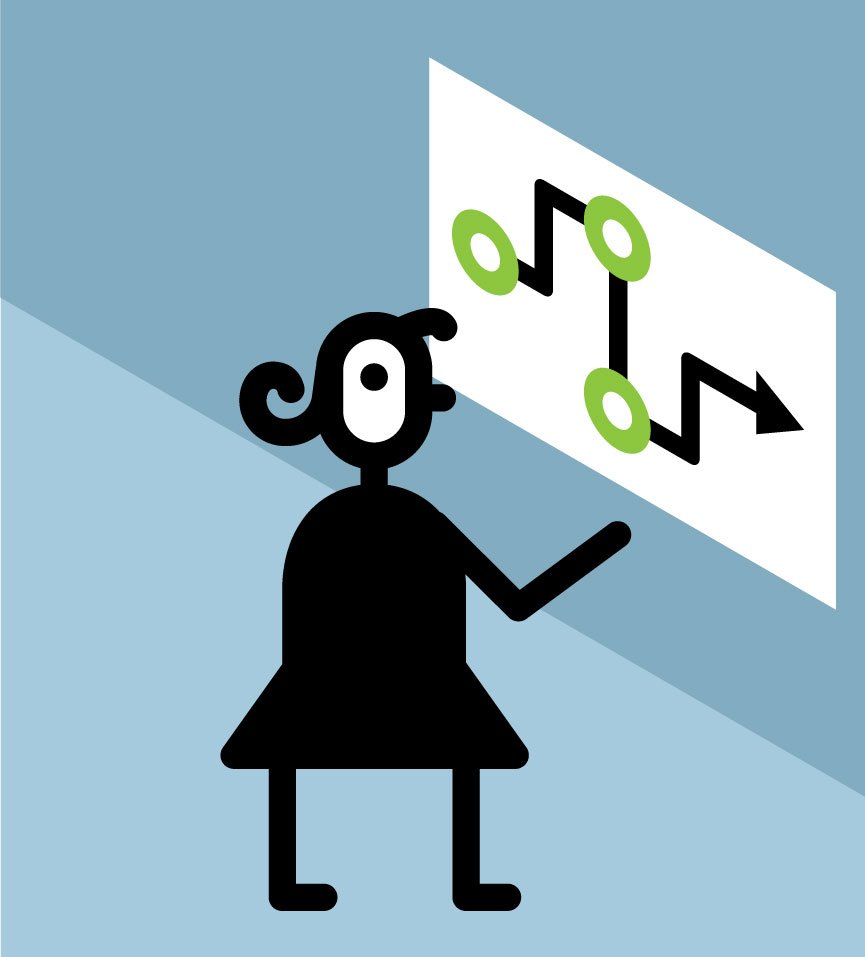
Journey maps for organizational learning
When developing a learning program, training teams often spend their time focused on the “Who?” and “What?”. However, training teams typically don’t put as much energy into nailing down the “How?”, “When?”, and “Where?” of their programs. Incorporating user experience design for training programs might see you take a slightly different route: journey mapping.
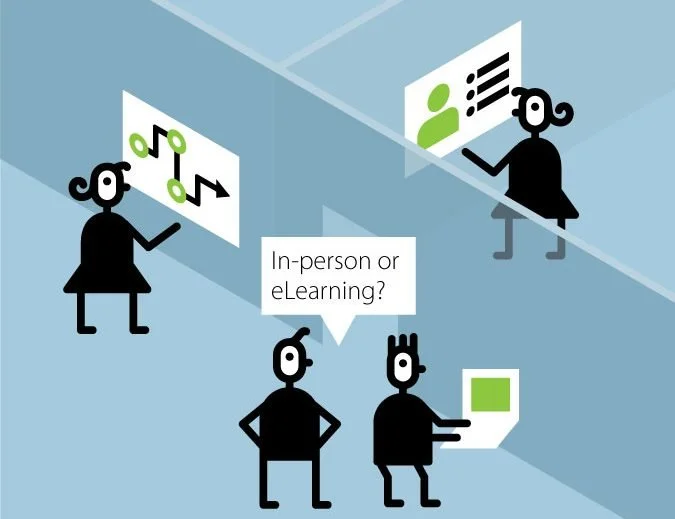
Using personas in organizational learning
Marketing professionals and interface designers use many tools and frameworks to put the user at the center of their choices, and personas are one of the most essential. They use personas externally as a shorthand to speak about segments of users. With an inward focus, many training managers and instructional designers report trying to adopt a user-centered approach as well. Yet, research suggests that training departments are not effectively considering using personas internally when developing courses.
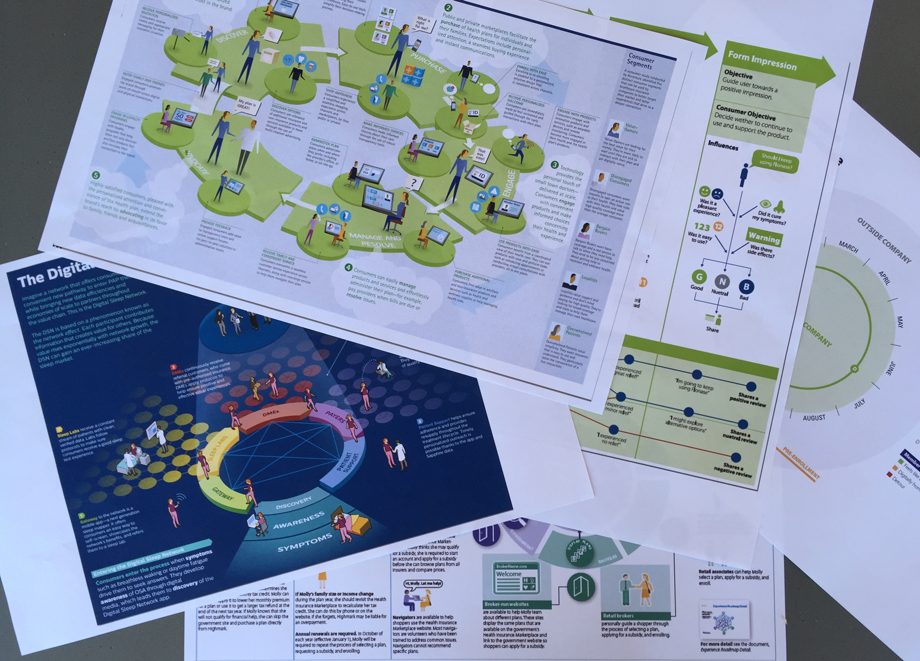
Visual explanations for training: lifting the fog
Here at ThoughtForm, we work on a wide variety of communication projects. Our scope often ranges from helping companies discuss and adopt new ideas and processes, to shaping market perceptions and educating consumers. From our experiences, we have come to champion the Foglifter® for effective visual communication.
Creating brand guidelines for better UX
What’s a writer, designer, or brand steward to do in a world where communication is becoming more freeform and relaxed, even as products and services are becoming more complex? The answer: Balance communication trends with clarity. Go back to basics and define (or re-define) clear guidelines to document your business’s brand. Whether your business’s style is casual, formal, or otherwise, define your standards so your staff can re-enforce and effectively communicate the way you want them to.
Storytelling without words—why Foglifters work
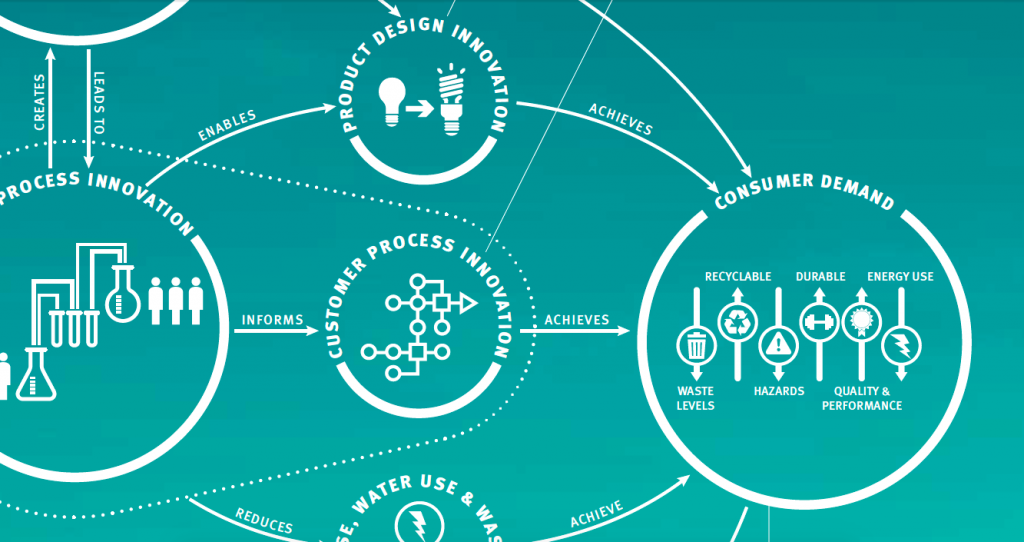
Foglifters use a lively visual language to explain new products, services, business models, and business strategies far more effectively than words alone can. The best Foglifters are visual models that contain all the elements of a story. By using a visual model to take the audience on a tour of the subject matter, you can address all the ideas that make up the story. Because the message is visible, it’s engaging, clear, and easier to remember.