
The NFL Draft is so niche (and that’s the point)
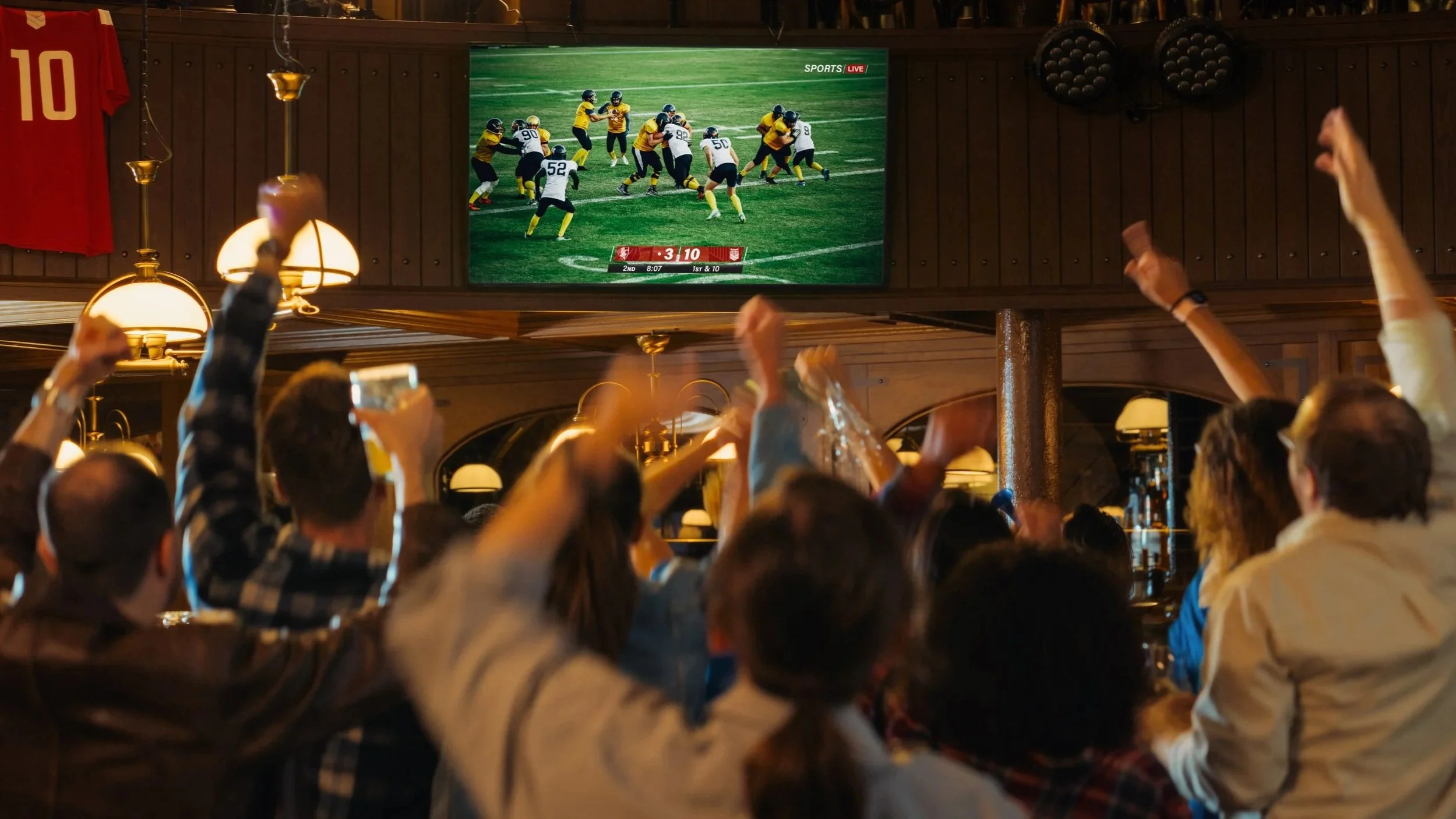
The NFL isn’t about football.
At least, not entirely.
Sure, without the games and the players and the team rivalries there would be no NFL. But the NFL is first and foremost a business, and as a business, the NFL has a singular goal: to attract and retain attention—and then monetize it.
That framing may feel reductive, but it’s essential for understanding one of the NFL’s most strategic innovations: the Draft.
The 2026 NFL Draft just wrapped up its whirlwind three-day program here in our beloved city, and it’s incredible to see just how far this event has come.
What began as a closed-door administrative exercise has evolved into one of the most powerful audience engagement engines in modern media. And for every organization who wants to activate and engage their audience (read: every organization), it offers a surprisingly relevant blueprint for building deeper, more profitable customer relationships.
Bridging the engagement gap
The NFL dominates attention during its season. Viewership is massive, engagement is high, and advertising performs exceptionally well. In fact, roughly 20% of viewers report purchasing a product after seeing a sponsorship during a game.
But there’s a structural challenge: the offseason.
From March through August, the NFL has relatively little “core product” to offer. No games, no live competition, just commentary and speculation. That creates a dangerous lull where audience engagement drops, and revenue opportunities diminish.
For most organizations, this kind of seasonality would be difficult to overcome. Customers disengage, giving competitors the opportunity to step in and fill the gap.
The NFL’s response? Don’t accept the gap, fill it yourself: not with something that grows their audience, but with something that hones it to a finer, more engaged point.
The evolution of the NFL Draft
Today, the NFL Draft is one of the league’s most successful off-season events. But it didn’t start that way.
In 1936, the Draft was little more than a closed-door meeting among team owners in a hotel. It wasn’t televised until 1980. And it wasn’t until 2015 that it became the large-scale, multi-day, multi-city spectacle we recognize today.
Now, it’s a three-day event that attracts hundreds of thousands of in-person attendees and millions of viewers. The 2019 Draft drew over 600,000 attendees, while recent iterations have generated billions of social media impressions.
So what changed?
Sure, the NFL scaled the event up. But more importantly, they repositioned it. They chose to transform the Draft from a logistical necessity to a content pillar specifically designed to engage their audience.
Making it a powerful strategic tool in a broader audience development system.
The National Football Ecosystem
If the NFL only offered football games, its relationship with fans would be transactional. Viewers would tune in, watch, and leave.
Instead, the NFL has built a product ecosystem.
That ecosystem includes live games, analysis shows, fantasy leagues, documentaries, social media content—and the Draft. Each component serves a different purpose, but together they create a continuous engagement loop.
When a business operates with a single product, customer interaction is episodic. A customer arrives, they interact with your product, and then they leave. But when you operate with an ecosystem, interaction becomes ongoing. Customers stop consuming and start circulating, bouncing from engagement to engagement as they move around your product funnel.
The Draft plays a unique role in this system. It bridges the off-season gap, yes. But what it’s best at is pulling fans deeper into the brand experience.
Because here’s the important note: The NFL Draft is not for casual fans.
It’s long. It’s detailed. It requires knowledge of players, teams, and strategy. On paper, it should appeal only to the most dedicated segment of the audience.
And yet it continues to grow. This is the power of a niching strategy.
Driving to the bottom of the funnel
Most businesses focus heavily on top-of-funnel growth: attracting as many potential customers as possible. That’s necessary, but it’s only part of the equation. What happens after someone enters your ecosystem matters just as much.
The NFL’s approach follows a layered funnel:
Top of Funnel: Broad appeal content (live games, highlight clips, major events) attracts a wide audience.
Middle of Funnel: Secondary content (analysis, commentary, fantasy football) engages more interested fans.
Bottom of Funnel: Highly specific experiences (like the Draft) appeal to the most invested segment.
At each stage, the audience narrows, because niching is by nature exclusive. But that’s not a bad thing. It’s about creating opportunities for deeper commitment. As fans move down the funnel, they opt into more specialized content. Some drop off, but those who remain become significantly more engaged.
By the time you reach the bottom, you’re left with a highly loyal, highly attentive audience that you can easily activate into sales.
Embracing the niche
When it comes to driving sales, not all customers are created equal. Casual participants may generate awareness, but highly engaged customers generate revenue. They are more likely to purchase, advocate, and remain loyal over time.
The NFL Draft effectively identifies and cultivates this segment. Fans who spend hours watching draft coverage, analyzing prospects, and debating team strategies are demonstrating something valuable: commitment. That commitment can be activated.
The NFL’s model is not unique. In fact, in our 45+ years helping brands design customer engagement strategies, we’ve found that many of these underlying principles apply across industries. They can apply to yours, too:
1. Identify Your engagement gaps: Where are the “off-seasons” in your business? When does customer attention drop and why? These gaps represent opportunities for strategic content or experiences.
2. Build beyond your core product: If customers only interact with you when they need your primary offering, you’re leaving value on the table. Develop complementary touchpoints that keep them engaged.
3. Design a funnel, not just a front door: Attracting customers is only the first step. Create a progression of experiences that allows them to deepen their involvement over time.
4. Embrace niching: Not every offering needs to appeal to everyone. In fact, your most valuable initiatives may be those that only resonate with a hardcore subset of your audience.
5. Measure engagement, not just reach: A smaller, more committed audience can outperform a larger, passive one. Focus on behaviors that signal loyalty and intent.
The NFL Draft is a case study in how to turn audience attention into a structured, scalable system. By expanding its ecosystem and introducing increasingly niche experiences, the NFL has transformed a seasonal limitation into a year-round engagement engine.
For business leaders, the lesson is clear: growth isn’t just about reaching more people. It’s about guiding the right people deeper into your world. The most powerful way to do that is by creating something that isn’t for everyone.
The bottom of your funnel may be the smallest, but it’s where your most die-hard fans live. But if your offering architecture doesn’t give these die-hards the opportunity to raise their hands and identify themselves, you’ll never be able to activate their loyalty.
That loyalty is the most powerful revenue driver you have.
Ready to hone your customer base into niche of revenue-driving loyalists? Drop us a line, and we’ll start building you a strategy to turn your casual consumers into die-hard fans.